
Updated May 2026 | 8 min read | By the team at Ken Rhodes | 35+ years installing doors across Essex
If you’re considering new double glazing and wondering whether it’s worth the investment, you’re asking exactly the right question. As the director of a family-run double glazing business — one my parents founded and that I’ve led since 2016 — I’ve spent over four decades collectively watching how windows and doors affect homes, heating bills, and yes, property values. Here’s my honest take.
We have been fitting both types across Essex for over 35 years, from Chelmsford to Romford to Southend. This guide breaks down the honest differences so you can decide which is right for your home, your budget and your priorities.
The Short Answer: Yes, New Double Glazing Does Add Value
But not always in the way people expect.
When a buyer views your home, they’re quietly doing mental arithmetic. They’re thinking: what needs doing, and what will it cost me? Replacing all the windows and doors in a property is a significant expense. If yours are already new, energy-efficient, and in excellent condition, that’s one major item crossed off their list — and they’re far less likely to use it as leverage to negotiate your asking price down.
That’s value added, even before we talk about energy savings.
The Energy Efficiency Factor — and Why It Matters More Than Ever
There’s a second, increasingly important way new double glazing increases your home’s appeal: lower energy bills.
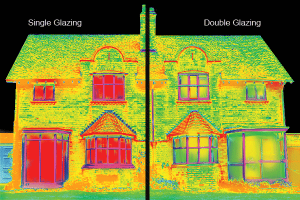
Heat map showing how double glazing can retain heat in your home.
Modern, high-rated double glazing retains significantly more heat than older units. With the cost of gas and electricity where it is right now, buyers are acutely aware of running costs. A home with new, energy-efficient windows is a more attractive proposition than one where heat is quietly bleeding out through ageing frames and failed seals.
This is why energy ratings matter. The higher the energy rating on your windows, the more heat is retained — and the more the new owner saves every single month. When you have new windows fitted, always ask your installer for documentation of the energy rating. It’s a selling point worth having on paper.
What Our Customers Actually Tell Us
Over the years, we’ve heard from countless customers after their new windows and doors have been fitted. Two things come up again and again:
Their home is noticeably warmer. Not just a little — dramatically so, particularly in older properties where the existing glazing had deteriorated over the years.
It’s suddenly much quieter. Outside noise — traffic, neighbours, general street sound — reduces significantly with quality double glazing. For anyone living near a busy road or in an urban area, this is a quality-of-life improvement that genuinely makes a home feel more premium.
Both of these are things buyers notice during a viewing, even if they can’t immediately put their finger on why the house feels better.
When New Double Glazing Won’t Add Much Value
I believe in giving honest advice, even when it means telling someone not to spend money with us.
If your windows and doors are only two or three years old, replacing them with like-for-like double glazing is unlikely to make a meaningful difference to your home’s value. The one exception? Upgrading from double to triple glazing — which offers improved soundproofing and superior heat retention — can be worthwhile even on relatively recent installations.
The Styles That Add the Most Value Right Now
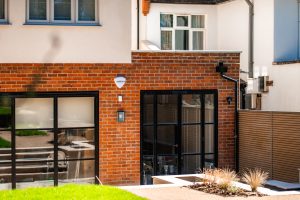
Not all double glazing is equal when it comes to kerb appeal and buyer perception. Trends shift over time, but right now, the styles we see generating the most excitement — and commanding a premium — are:
- Flush casement windows in premium uPVC or real wood alternative — these have a clean, contemporary look that suits both modern and traditional properties and are widely regarded as a higher-end product.
- Vertical sliding sash windows in uPVC — these carry a sense of period elegance and are particularly desirable in Victorian and Edwardian properties.
On the flip side, fitting windows that clash with your property’s character — or choosing styles that already look dated — can work against you. When in doubt, ask your installer what suits the age and style of your home.
Don’t Overlook the Front Door
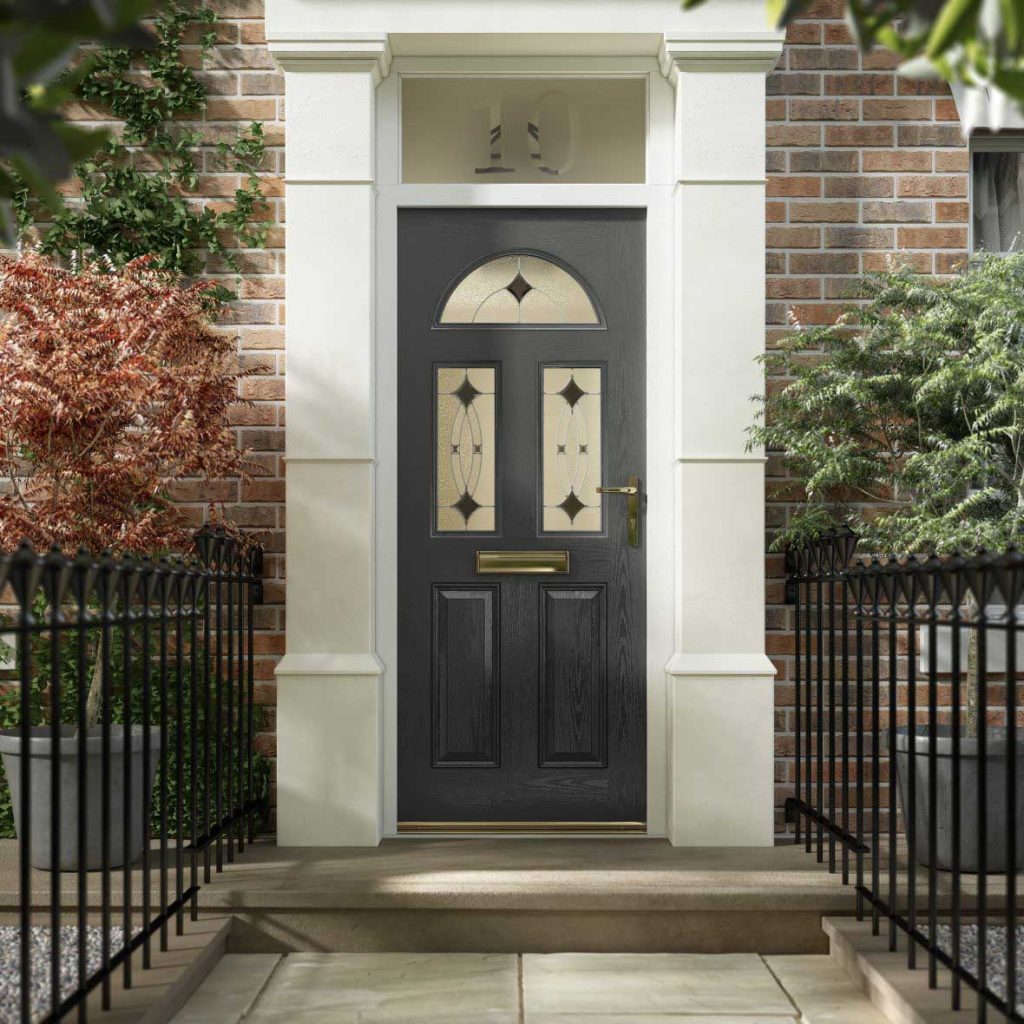
If you’re replacing your windows, a new front door at the same time is one of the best additional investments you can make. It transforms the kerb appeal of your home instantly, reinforces the energy-efficiency story, and adds an extra layer of security. First impressions count enormously during viewings — buyers form an opinion before they’ve even stepped inside.
The Biggest Mistake Homeowners Make
I’ll be direct here, because I’ve seen this go wrong too many times.
We always advise customers to get more than one quote. But the mistake isn’t getting multiple quotes — it’s assuming all windows are the same and simply going with the cheapest option.
They are not the same. Different products have different energy ratings, different locking systems, different quality of materials. And even the best window system is only as good as the people fitting it. Quality installers are paid fairly for their work, which is reflected in the price. Go with the cheapest quote and you may find yourself replacing those windows again in a few years — at full cost, all over again.
That’s an expensive lesson.
What to Look For in a Guarantee
Quality double glazing should last 15 to 20 years. When choosing a company, look carefully at what guarantee they offer — and crucially, whether it is insurance-backed.
We offer a 15-year guarantee with a 10-year insurance-backed guarantee. The insurance-backed element is vital: if the installation company ceases trading during your guarantee period, you are still covered. Without that insurance backing, your guarantee is only as solid as the company behind it.
Always ask. Any reputable company should be able to provide this.
Still on the Fence?
Here’s the simplest way I can put it:
Every day you wait is another day energy is escaping through your windows — and another day you’re paying more than you need to on your heating bills.
New double glazing is one of those home improvements that pays you back while you live in the house, and again when you come to sell it. The question isn’t really whether you can afford to do it. It’s whether you can afford to keep putting it off.
The Ken Rhodes Group is a family-run double glazing business with over 40 years of experience. We offer a 15-year guarantee with a 10-year insurance-backed guarantee on all installations. 01708 227777 /https://www.kenrhodes.co.uk/quote